Jakob Sullivan · 19 September 2026
Uncovering the Impact of Underground Freshwater Springs on Marine Biodiversity in Lesser-Known Bay Areas
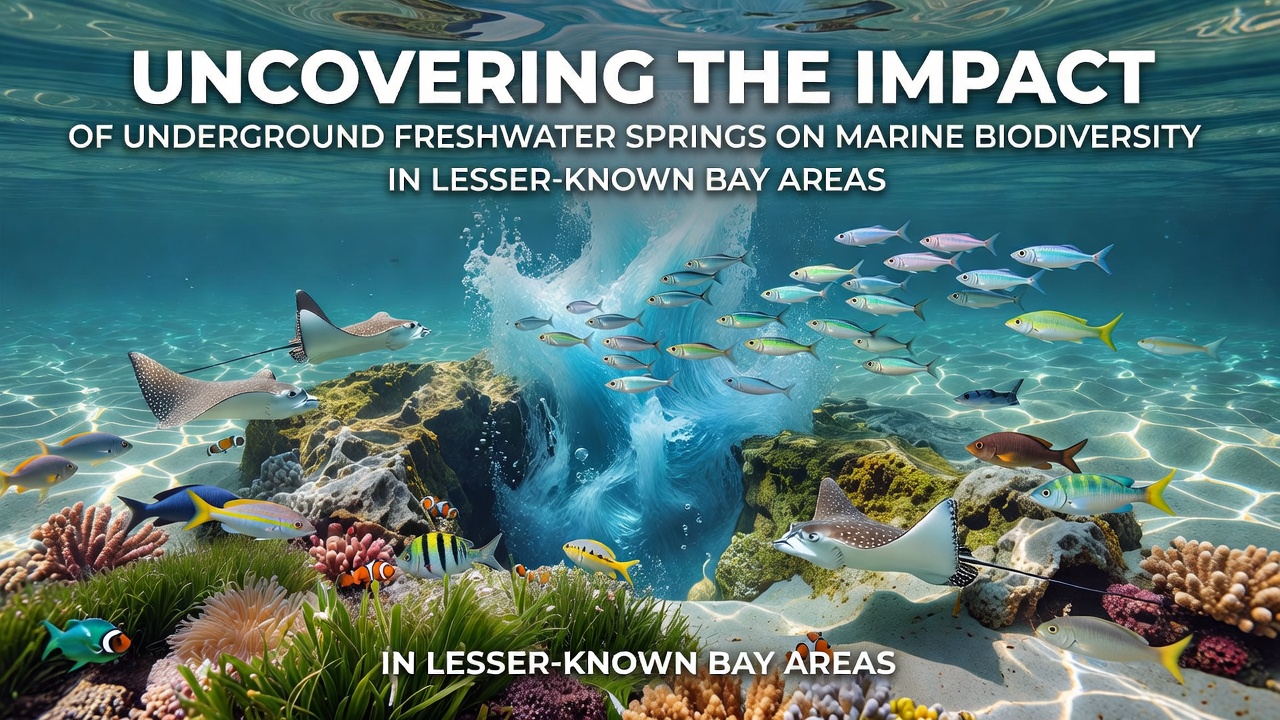
Submarine groundwater discharge occurs when freshwater from underground aquifers flows into coastal marine environments, and researchers have documented this process in numerous lesser-known bay areas around the world, where it alters local salinity levels while delivering nutrients that support distinct ecological communities.
Mechanisms of Freshwater Influence
Underground springs release water that differs markedly in temperature, chemistry, and nutrient composition from surrounding seawater, which creates mixing zones that many organisms exploit for feeding or reproduction, and data from coastal monitoring programs show these zones often harbor higher densities of filter-feeding invertebrates compared to adjacent areas without such inflows.
Salinity gradients form rapidly around discharge points, and species adapted to brackish conditions thrive there while strictly marine organisms remain at the periphery, yet studies conducted in temperate bays reveal that these interfaces also concentrate organic matter that fuels microbial activity and supports food webs extending to fish populations.
Nutrient Dynamics and Species Responses
Nitrogen and phosphorus compounds carried by groundwater stimulate phytoplankton blooms in otherwise nutrient-limited bays, and evidence from sediment core analyses indicates that such inputs have sustained elevated primary productivity for decades in regions where surface runoff remains minimal, which in turn attracts zooplankton and larger predators that depend on this base of the food chain.
Seagrass beds and macroalgae often expand near spring outlets because the freshwater moderates extreme temperature swings and supplies dissolved silica that diatoms require, while observers note that certain sponge and tunicate species form dense aggregations directly over vents where flow rates remain steady throughout tidal cycles.
Research Findings from Remote Sites
Field teams working in isolated inlets along the Pacific Northwest and parts of the Mediterranean have mapped discharge locations using temperature probes and salinity sensors, and results published in peer-reviewed journals demonstrate that biodiversity indices rise measurably within 200 meters of active springs compared to control sites farther offshore, although the precise drivers vary with seasonal rainfall patterns that recharge aquifers.
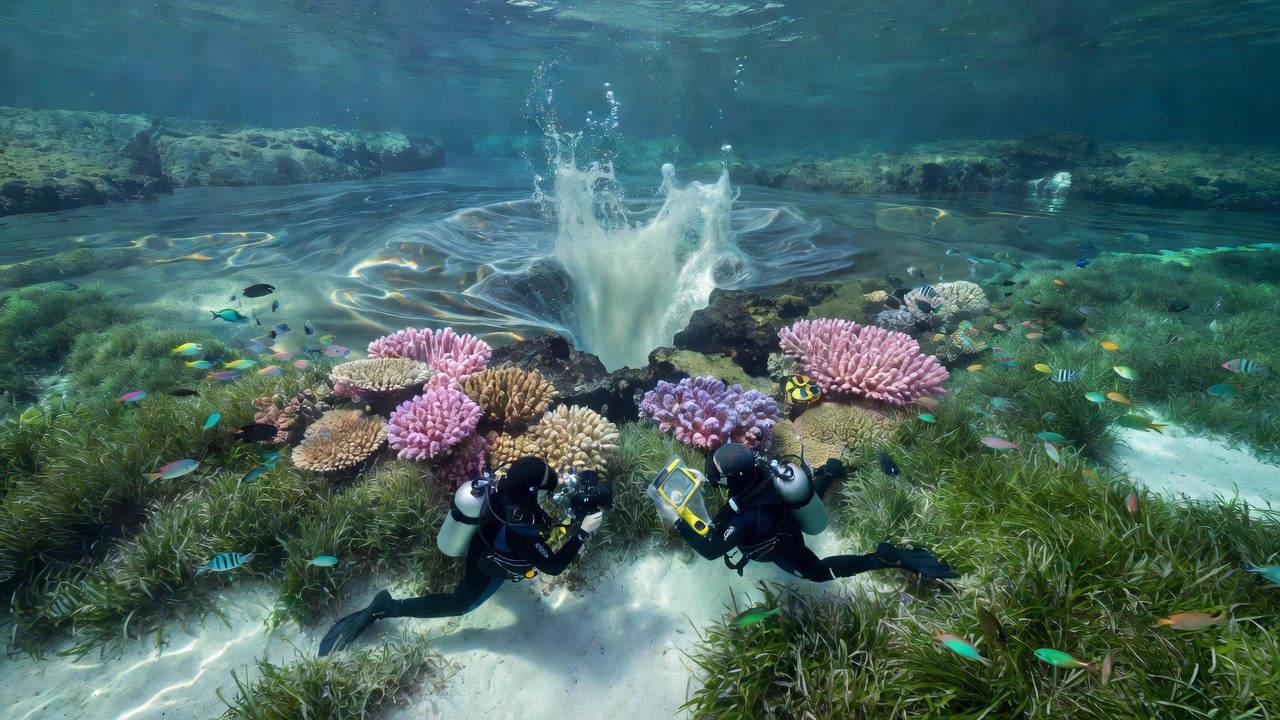
In September 2026, participants at an international marine ecology meeting shared updated datasets from long-term sensor arrays, which confirmed that spring-driven nutrient pulses coincide with spawning events in several fish species, and these temporal alignments appear consistent across multiple lesser-known bays where surface freshwater sources are scarce.
Acoustic surveys further reveal that juvenile rockfish and other demersal species aggregate near spring-influenced reefs during periods of higher discharge, suggesting the freshwater plumes provide both shelter from stronger currents and access to concentrated prey items.
Conservation and Monitoring Approaches
Resource managers now incorporate groundwater mapping into habitat protection plans for bays that previously received little attention, and agencies such as the National Oceanic and Atmospheric Administration have funded projects that combine satellite imagery with in-situ sampling to identify previously undocumented discharge points. European researchers, meanwhile, collaborate through networks supported by the European Environment Agency to standardize methods for quantifying spring contributions to coastal ecosystems across different geological settings.
Long-term records indicate that changes in aquifer recharge, whether from altered precipitation or groundwater extraction on land, can shift the location and intensity of marine discharge, and biologists track resulting community shifts by repeating biodiversity surveys at fixed transects that cross spring influence zones.
Conclusion
Underground freshwater springs continue to shape marine biodiversity patterns in lesser-known bay areas through salinity modification, nutrient delivery, and habitat creation, and ongoing monitoring programs provide the quantitative basis for understanding these interactions, while integrated management strategies that account for both terrestrial aquifers and marine receiving waters offer the most direct path to preserving these specialized ecological niches.